Est. 1840 — the first building in Bugle

The pub that named the village

A proper Cornish pub in the heart of Clay Country — St Austell ales well kept, a Sunday roast worth coming back for, five freshly refurbished rooms upstairs, and the Eden Project three miles up a traffic-free trail. No fuss, just a warm fire and a friendly face.

5En-suite rooms
3 milesTo the Eden Project
Sun 12–4Roast served
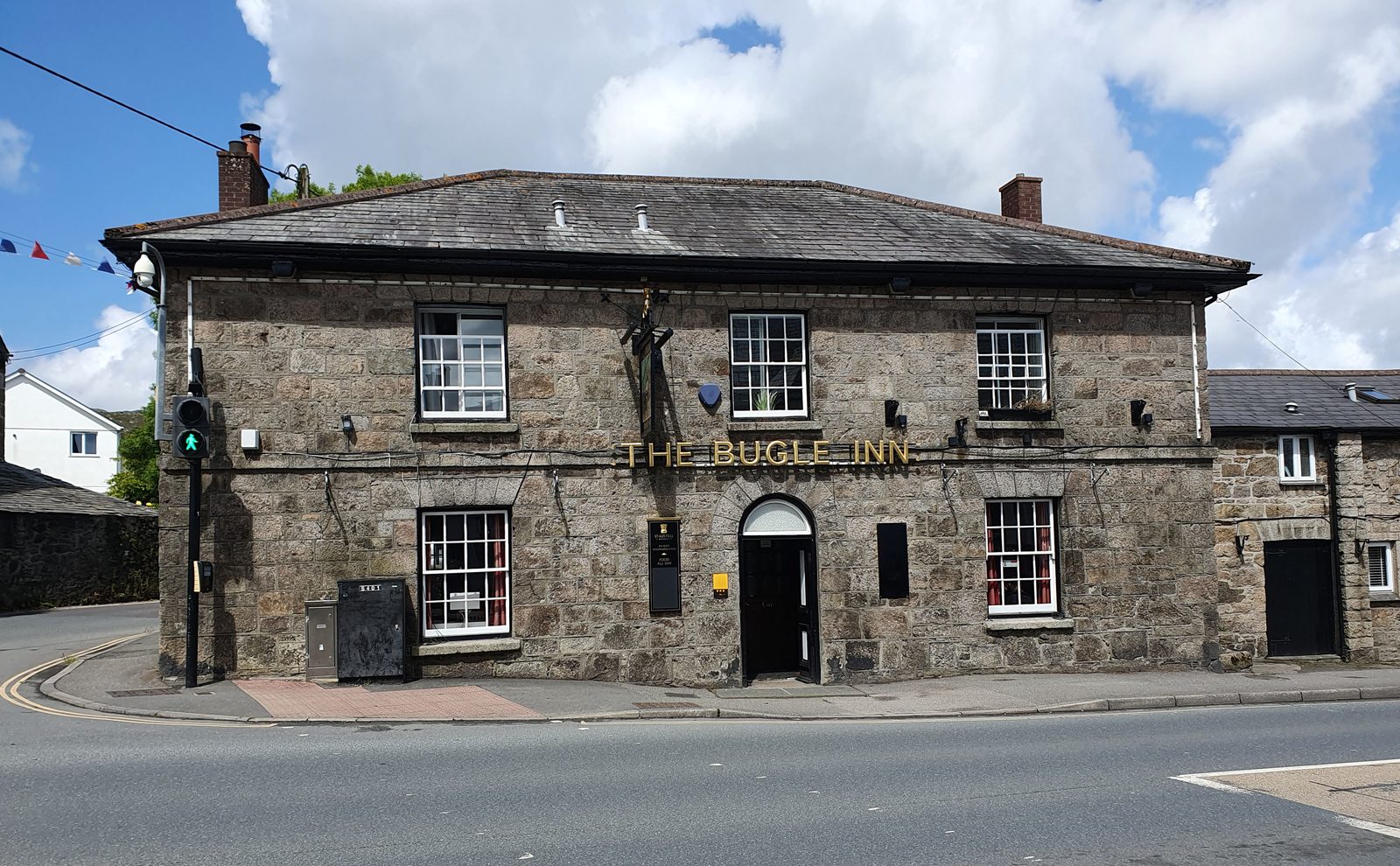
The granite frontage of The Bugle Inn on Fore Street — gold lettering above the door, est. 1840
Rooms refurbished June 2026
Scroll
Welcome to the Bugle

A good village pub — and proud of it

The Bugle Inn has stood at the heart of its village since 1840, in a corner of mid-Cornwall shaped by china clay, brass bands and big open moorland. We've never tried to be a foodie destination — we're a local, and that's the charm.

Drop in for a well-kept pint of Tribute or Cornish Best, come hungry on a Sunday for the roast, or stay the night in one of our five rooms before heading out to the coast, the gardens or the clay trails. Whoever you are, you'll get the same thing here: a genuine welcome and no airs. The inn is now run by the family behind the Duke of Cornwall — new care, same old welcome.

  • St Austell ales on the bar — open midday until late, every day
  • A proper Sunday roast, served 12–4
  • Five en-suite rooms upstairs — freshly refurbished June 2026
  • Children and dogs very welcome in the bar (rooms are adults-only and pet-free)
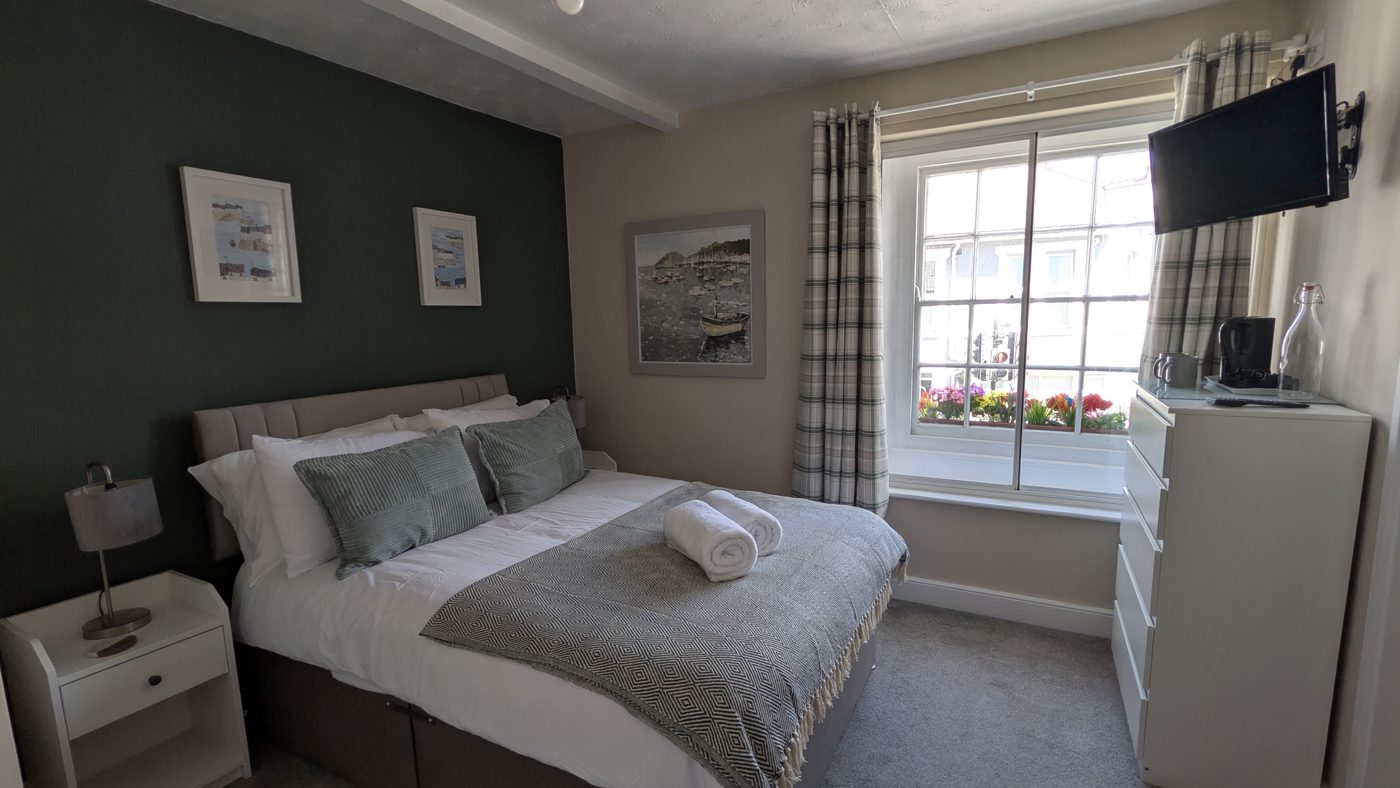
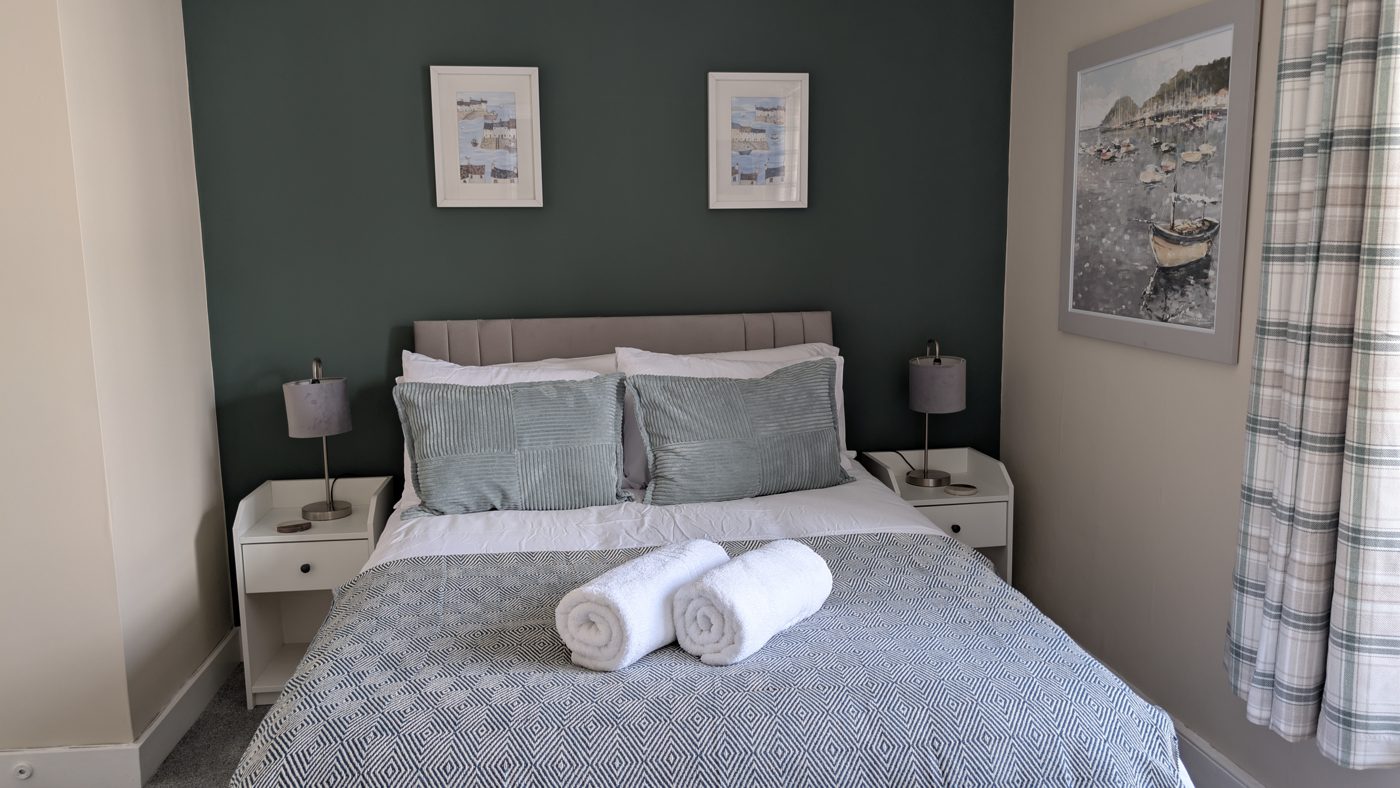
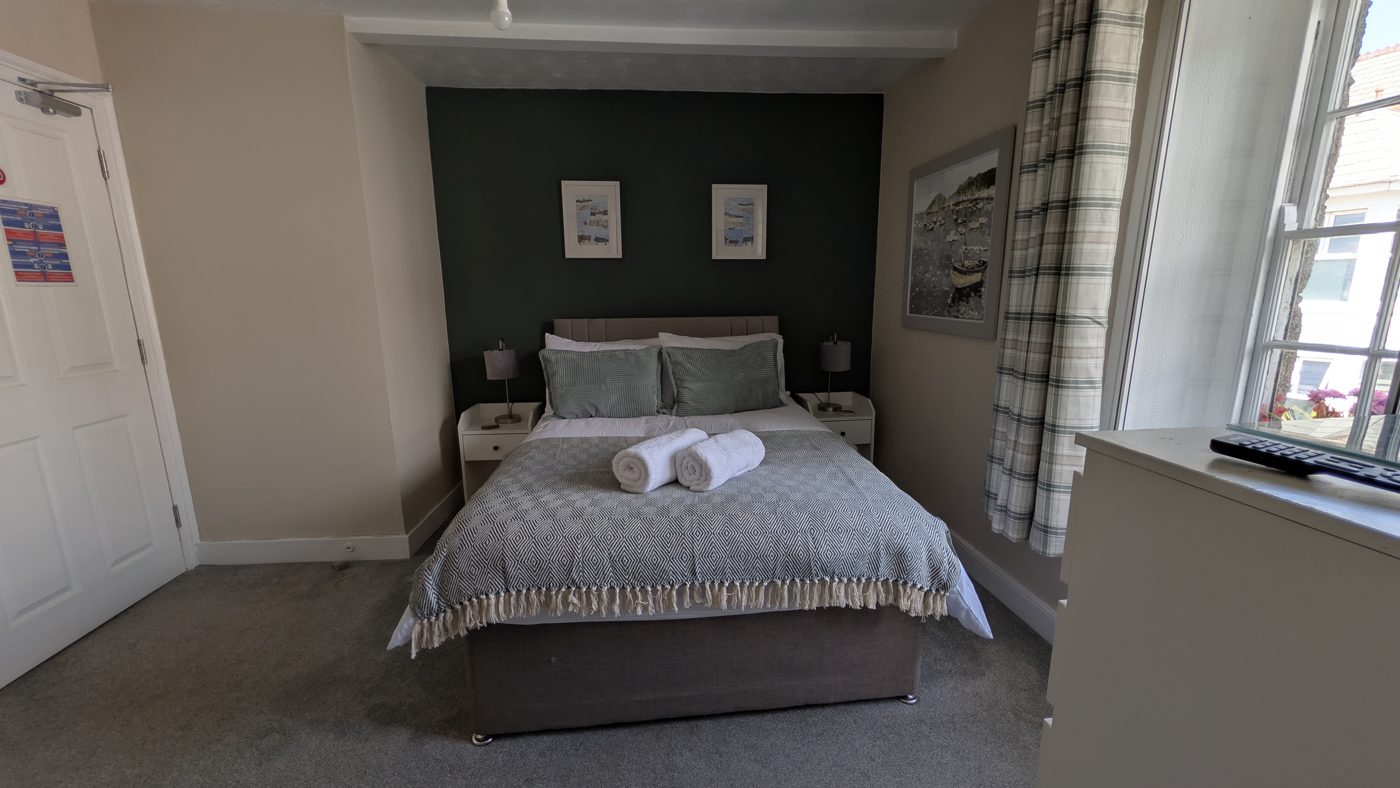
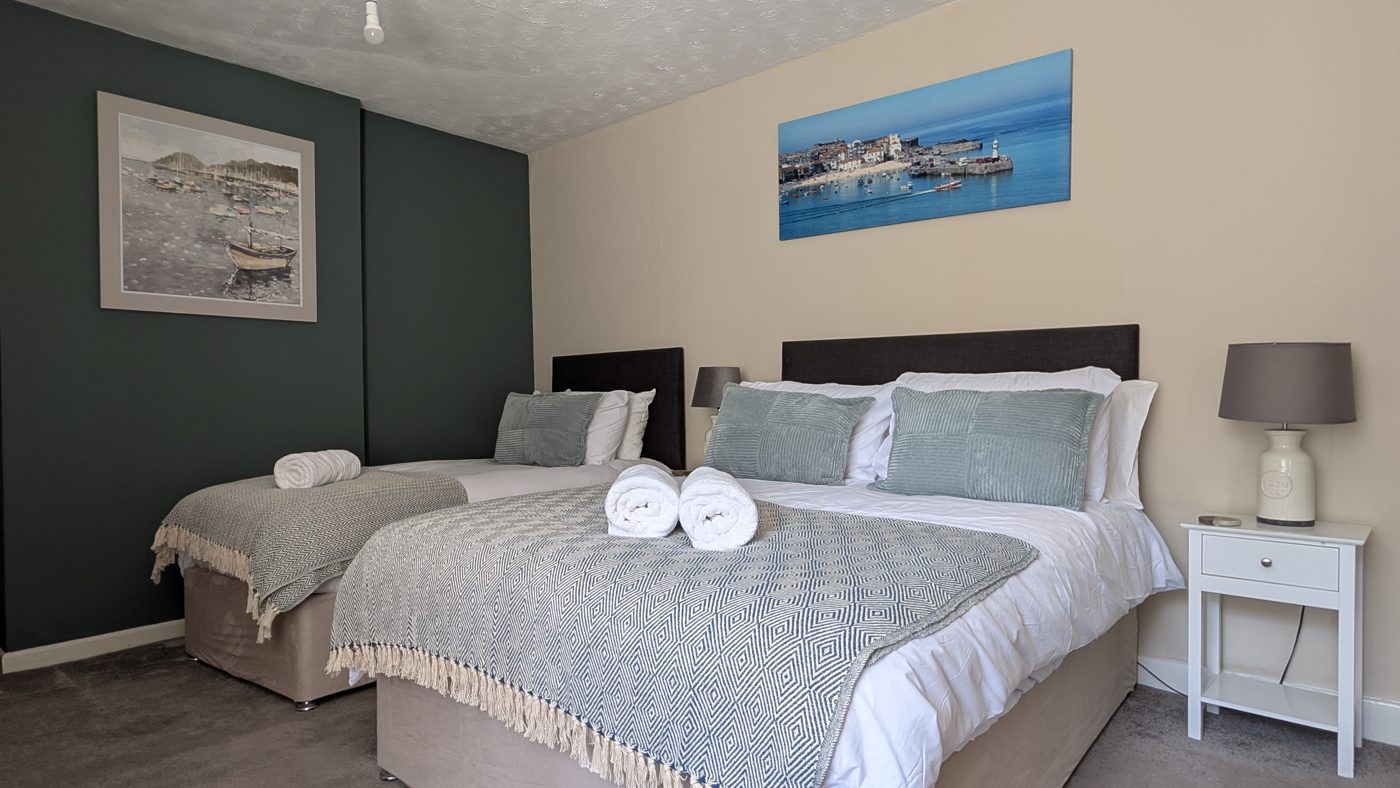
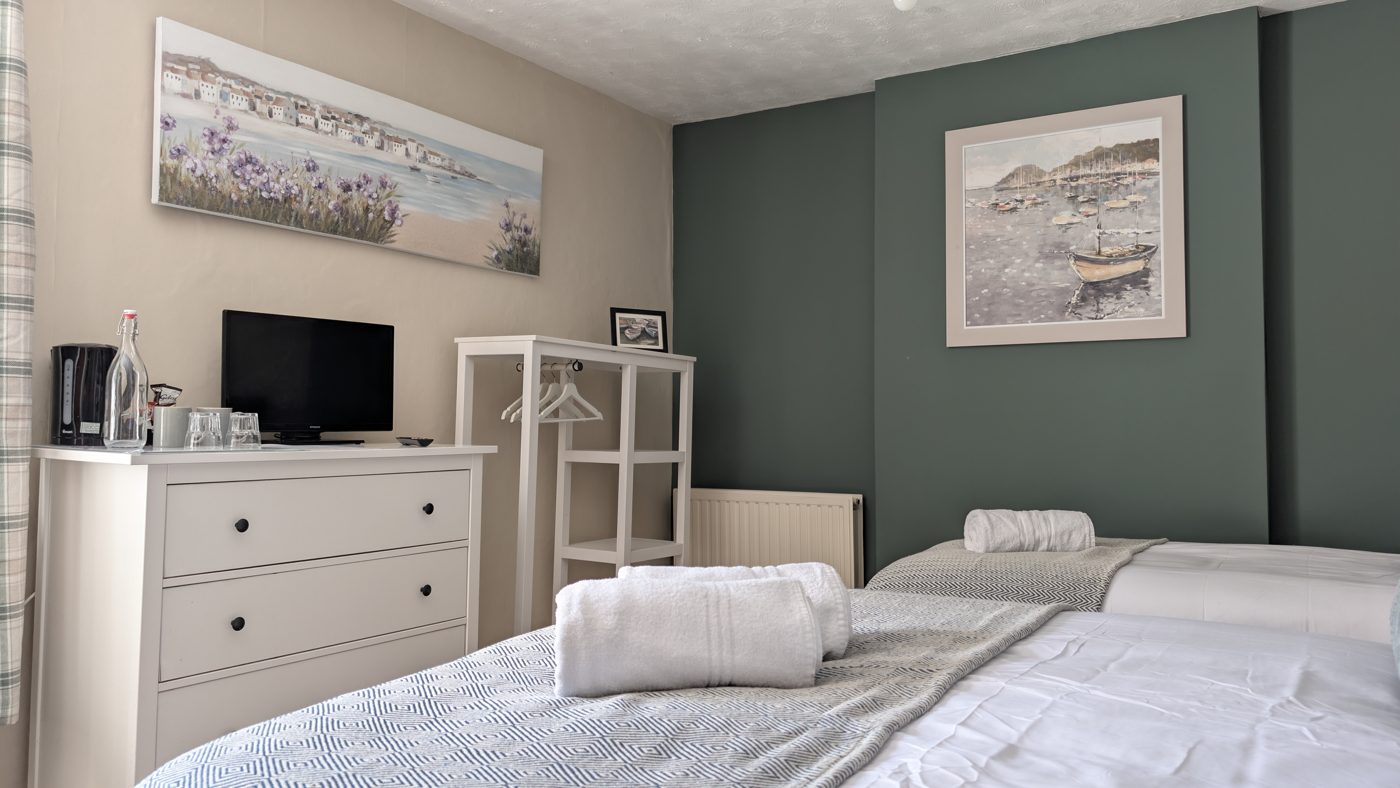
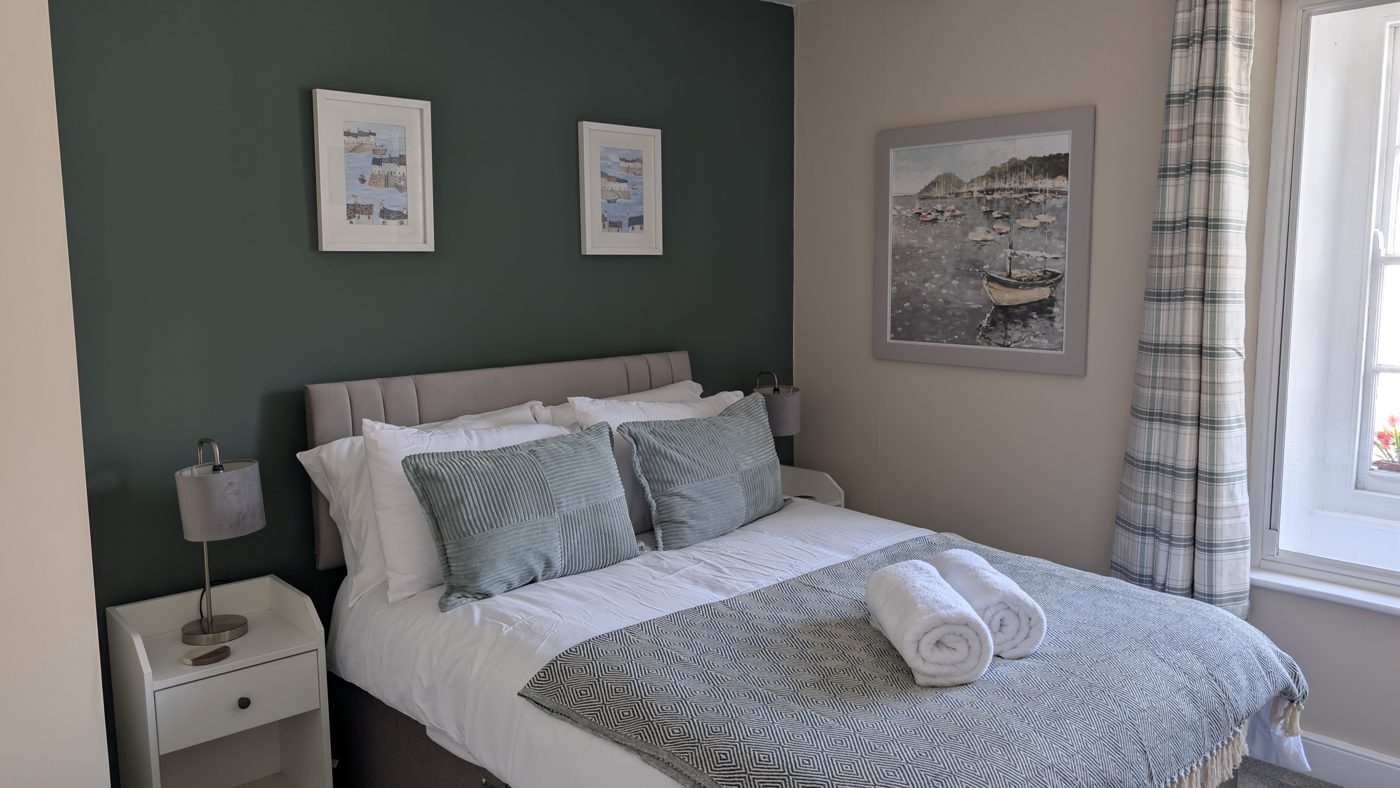
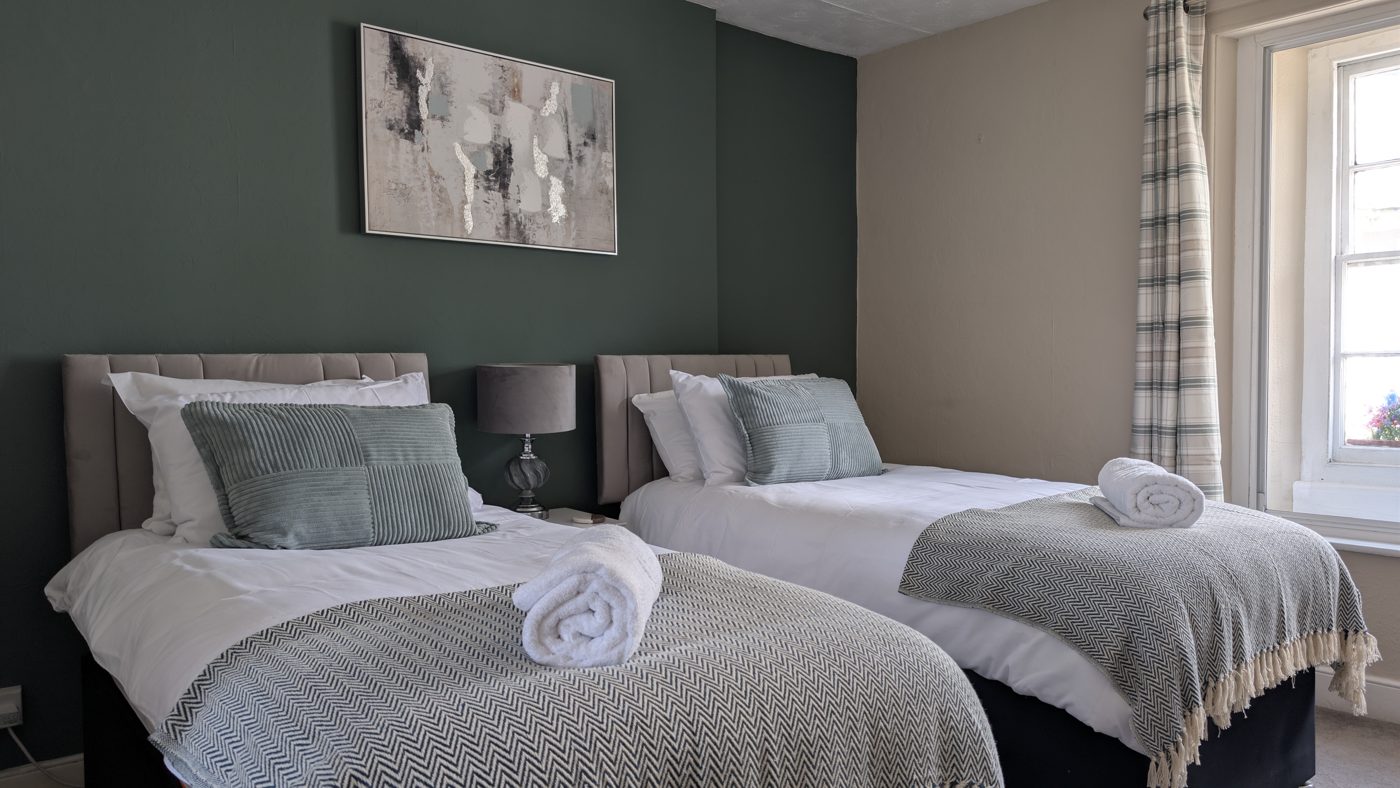
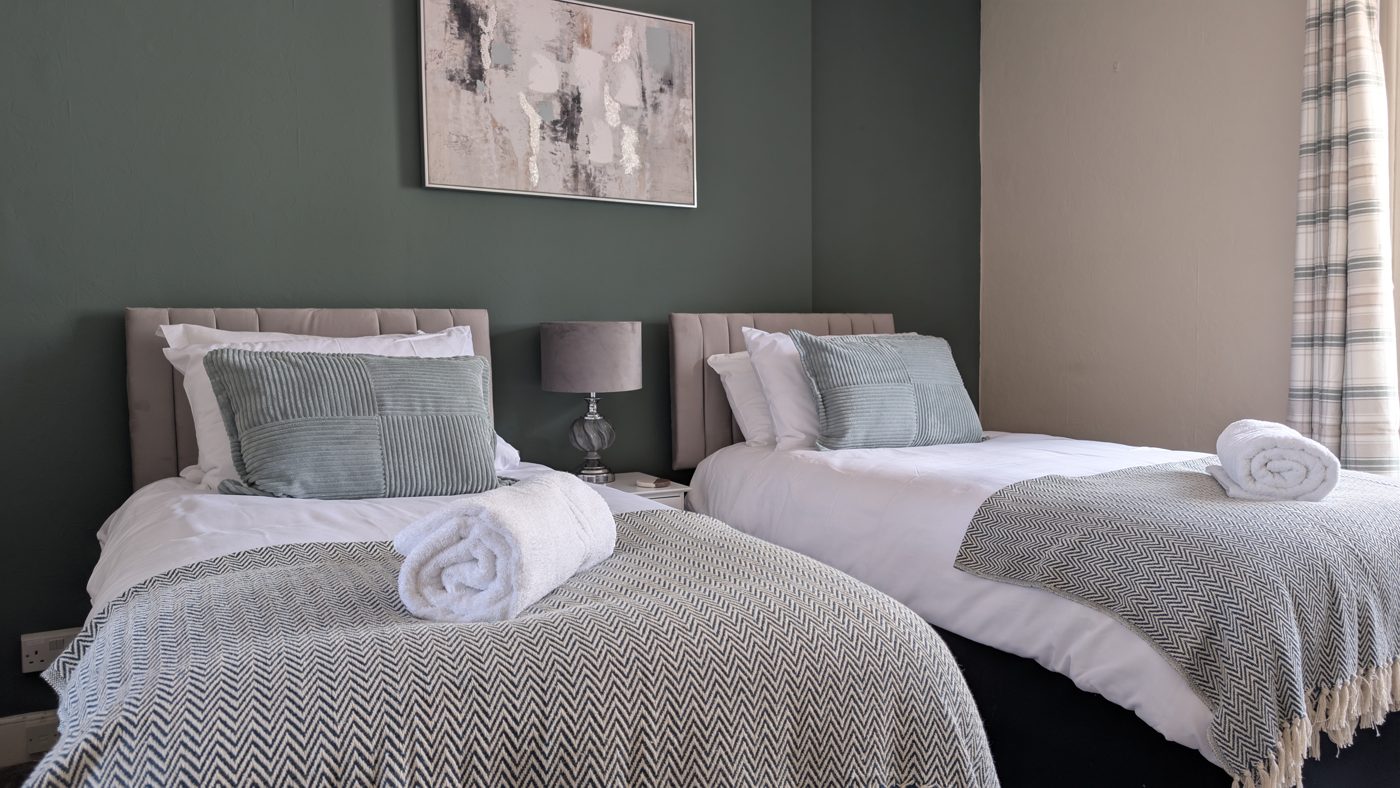
A freshly refurbished double room at The Bugle Inn — dark green feature wall, crisp white linen and Cornish harbour artwork
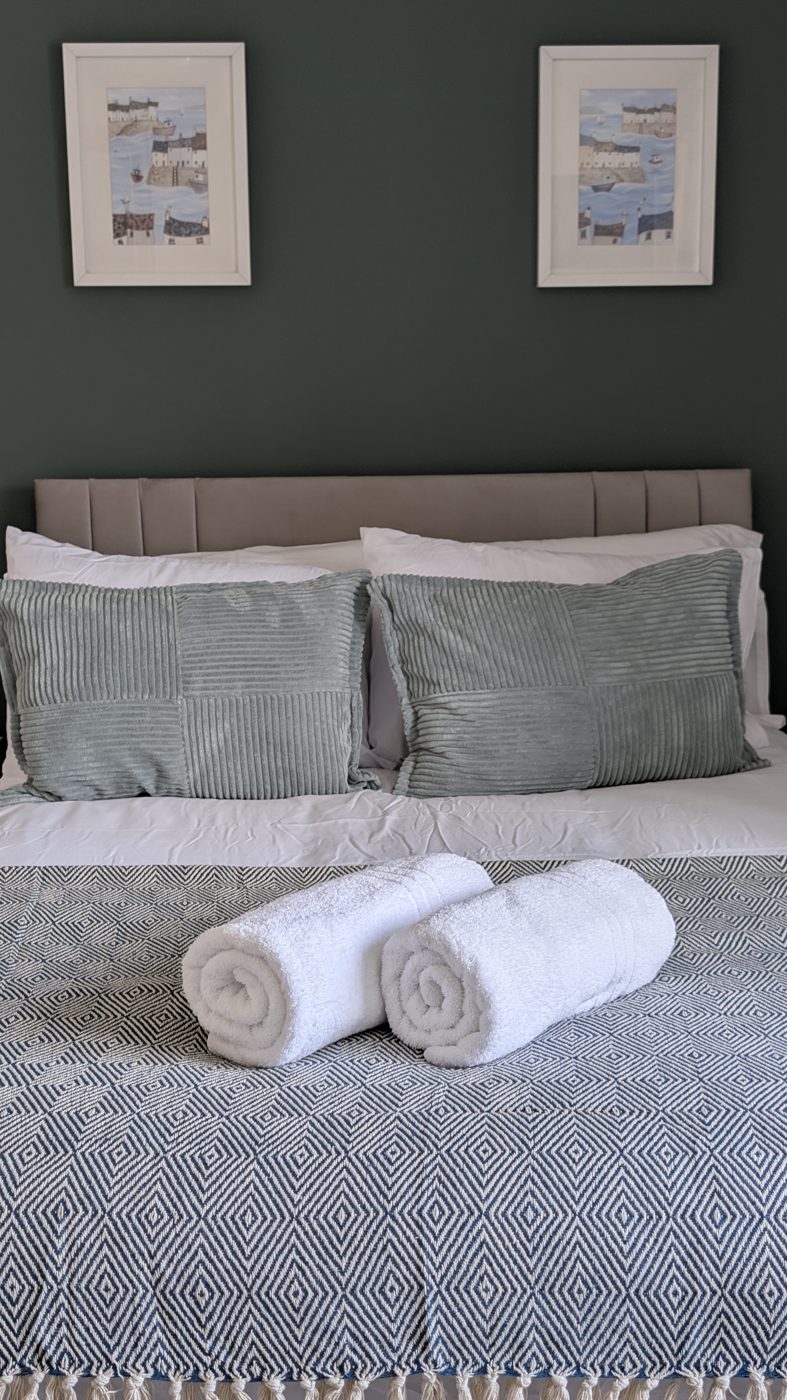
Rolled towels and corduroy cushions in one of the refurbished double rooms
Window wall with a large boat painting in one of the double rooms
Sundays at the Bugle

The Sunday roast is what we do — and we do it properly.

We do one thing in the kitchen and we do it properly: a full Cornish Sunday lunch, served from midday until four every Sunday. The rest of the week the bar does what a bar should — good beer, good company.

The Bugle Sunday Roast

Served Sundays · 12–4

Proper portions, proper gravy, and a pint of Tribute alongside if you're doing it right. The week's joints and the veggie option change with what's good — ask when you book, or take the happy risk.

Tables go quickly — booking ahead is strongly recommended, especially for larger parties. Children and dogs are very welcome in the bar for Sunday lunch — it's that sort of pub.

“Generous Sunday roast — lovely crackling.”

Google review

The bar itself is open from midday until late, every day — ales, ciders, wines and a warm fire when the weather calls for one.
Allergies or dietary needs? Please tell us when you book and we'll talk you through what's in the roast.

Stay the night

Five rooms, freshly done, three miles from Eden

Every room was freshly refurbished in June 2026 — deep green walls, crisp linen, smart en-suites, a telly and a tea tray. Each is named for a Clay Country landmark. Rooms are adults-only and pet-free — children and dogs are very welcome in the bar downstairs.

Room 1, the twin — two single beds, dark green feature wall and a bright sash window Twin · Sleeps 2

Room 1 · Wheal Martyn Twin

Two proper single beds and a big sash window with a flower box — ideal for friends walking the trails or colleagues working nearby.

The story behind the name
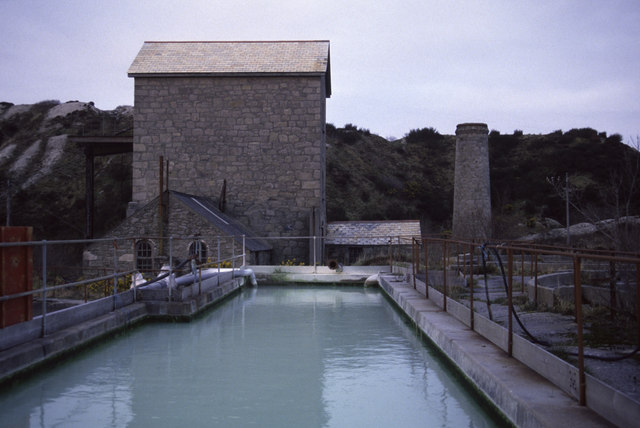
The preserved Victorian china-clay works at Wheal Martyn, Carthew
© Chris Allen, geograph.org.uk, CC BY-SA 2.0

Elias Martyn's 1820s china-clay works at Carthew, two and a half miles down the road. Today it's Cornwall's china clay museum — the only complete Victorian clay works open to the public, its great waterwheel still turning.

  • En-suite shower
  • TV & free Wi-Fi
  • Tea & coffee tray
Check availability
Room 2, the beamed double — dark green wall, white linen and Cornish harbour painting Double · Sleeps 2

Room 2 · Carbis Double

Ceiling beams, geraniums in the window box, and the softest light in the house. The room that makes people ask if we do late check-out.

The story behind the name
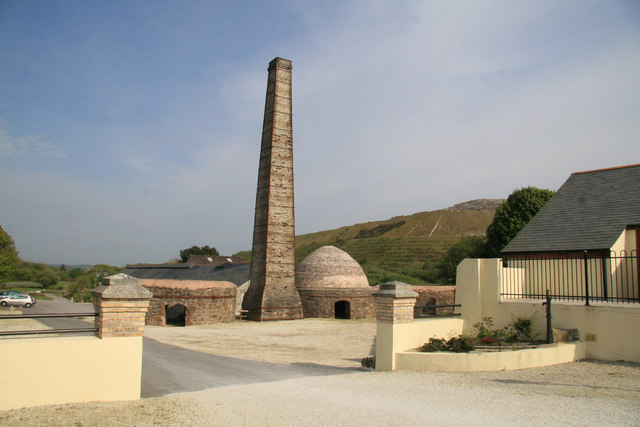
The granite beehive kilns and chimney of the Carbis Brick and Tile Works near Bugle
© Chris Allen, geograph.org.uk, CC BY-SA 2.0

Bugle's nearest neighbour — the hamlet a mile west where the Carbis Brick & Tile Works fired buff bricks from local clay, 1883–1941. Its three granite beehive kilns are a rare Cornish survival, Grade II listed.

  • En-suite shower
  • Tea & coffee tray
  • TV & free Wi-Fi
Check availability
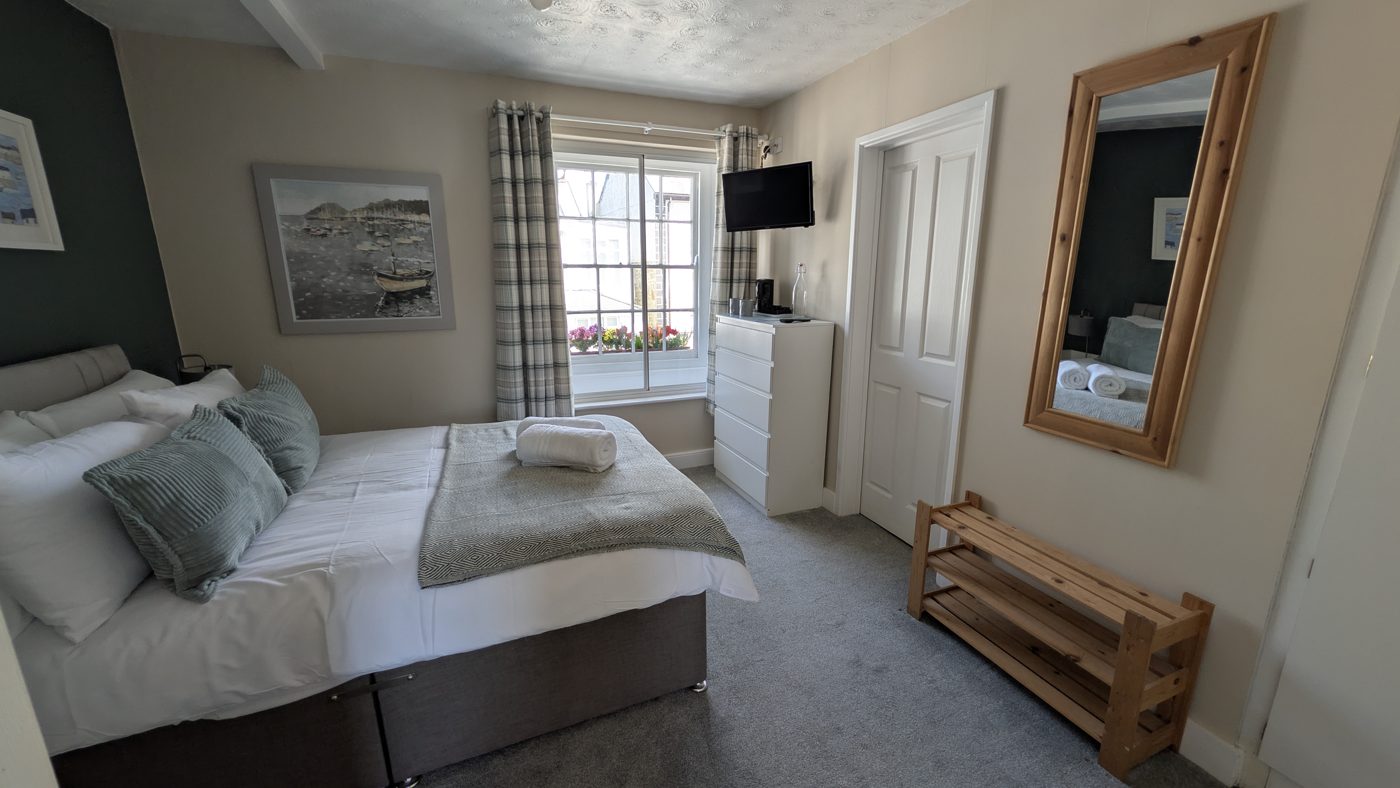
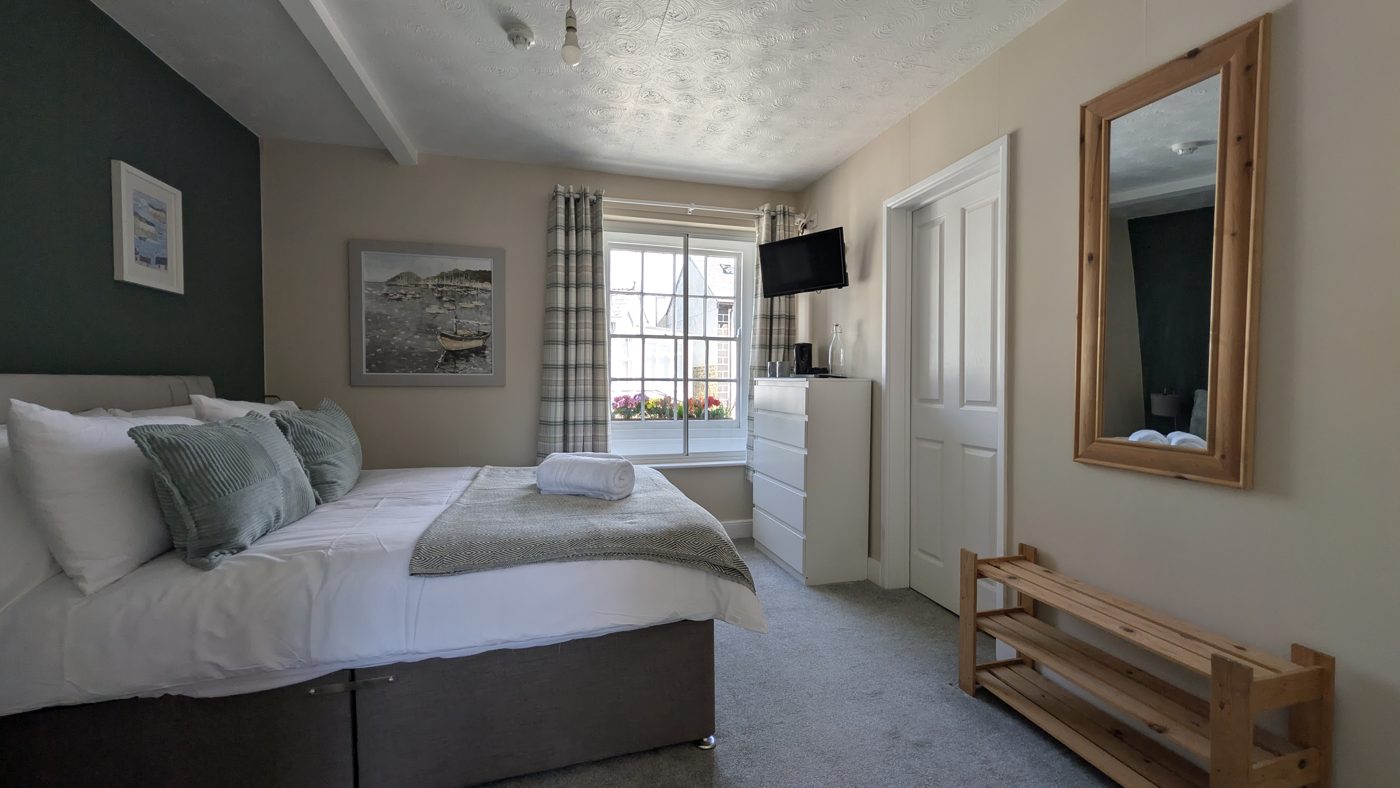
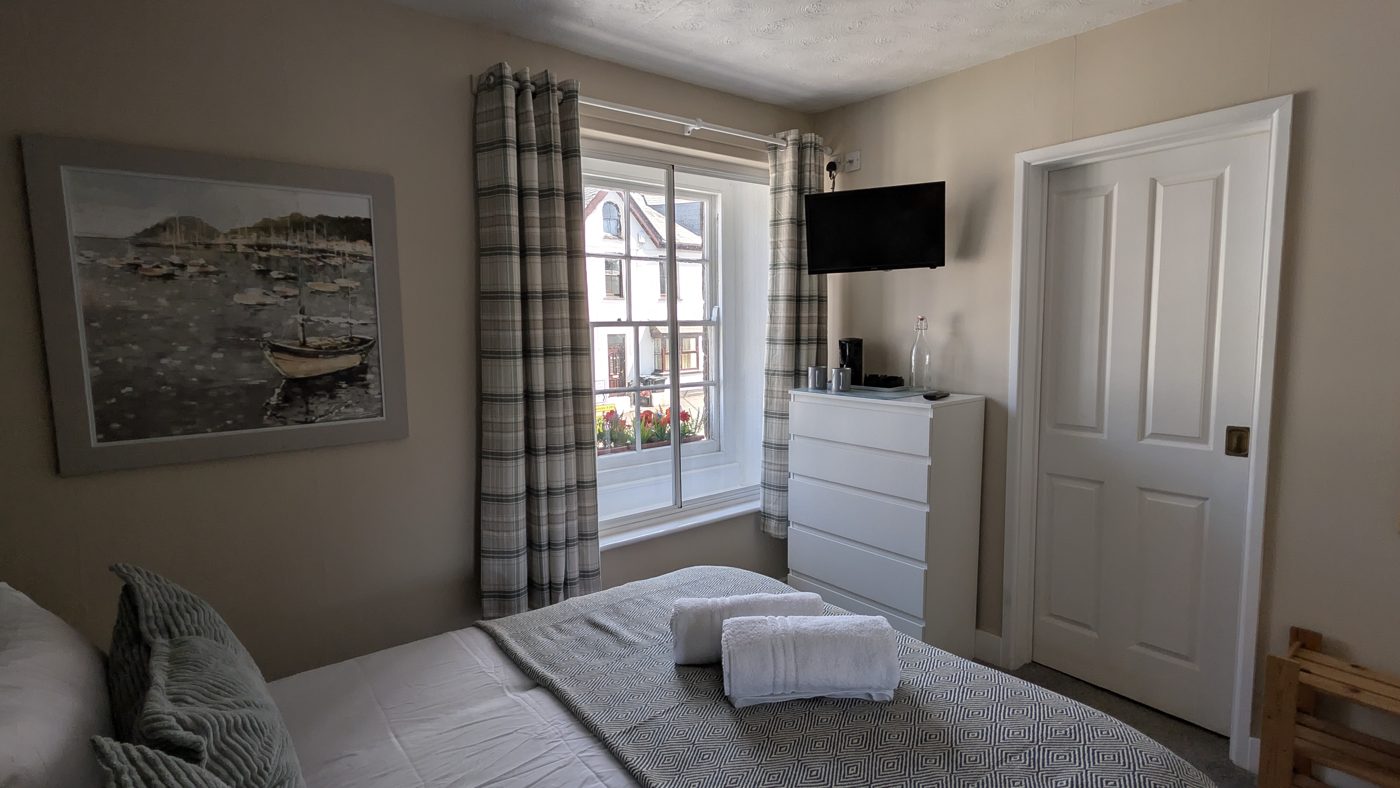
Room 3, a double room with white chest of drawers, pine mirror and luggage rack Double · Sleeps 2

Room 3 · Roche Rock Double

Bright and uncluttered, with a big mirror, a luggage rack and space to actually unpack. A solid, comfortable base for exploring.

The story behind the name
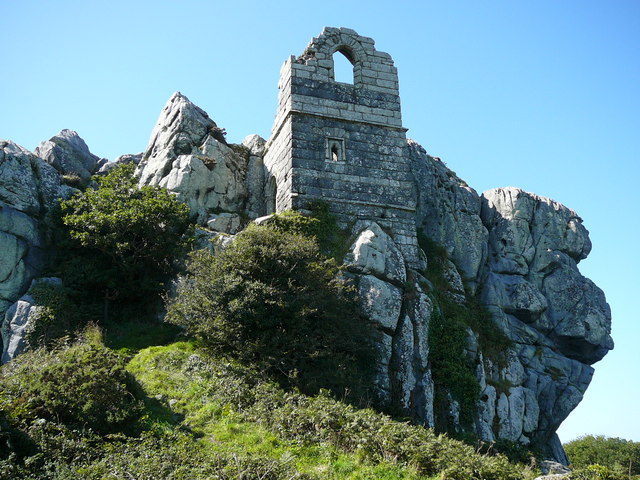
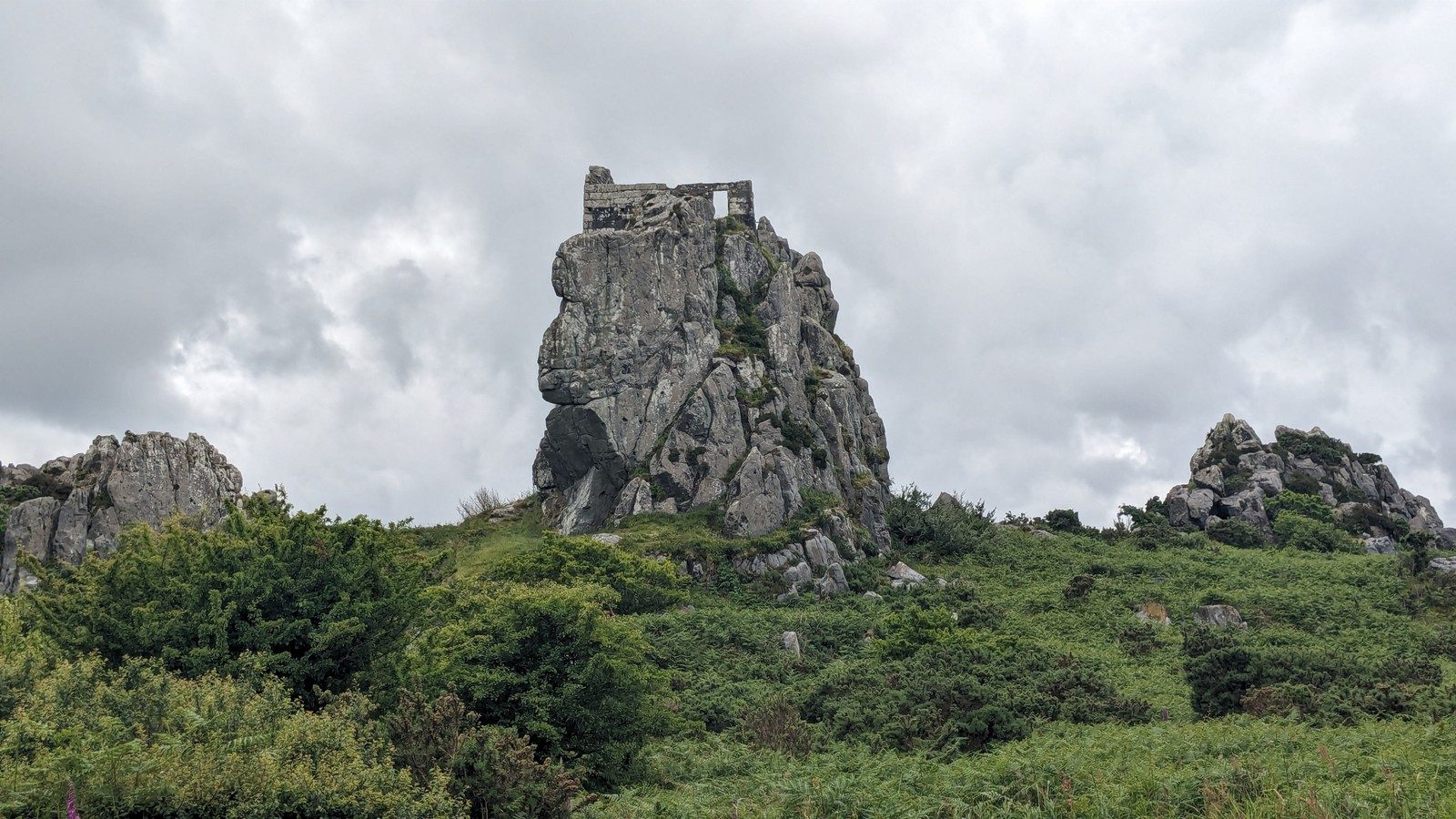
Roche Rock — the granite outcrop crowned by the ruined 1409 Chapel of St Michael
© Colin Park, geograph.org.uk, CC BY-SA 2.0

A jagged granite tower two miles west, crowned by the ruined Chapel of St Michael, built 1409. Hermits once sheltered beneath it — and legend says Jan Tregeagle, Cornwall's Faust, fled here from the devil's demons.

  • En-suite shower
  • TV & free Wi-Fi
  • Tea & coffee tray
Check availability
Room 4, the alcove double — bed set into a chimney-breast alcove with matching bedside lamps Double · Sleeps 2

Room 4 · Parkandillick Double

The bed sits snugly in the old chimney-breast alcove with a lamp on each side — the cosiest spot in the house on a wild Cornish night.

The story behind the name
The granite engine house at Parkandillick, home of the last complete Cornish beam engine in the clay country
© Chris Allen, geograph.org.uk, CC BY-SA 2.0

A 50-inch Cornish beam engine of 1852 near St Dennis, pumping clay slurry until 1953. It's the only complete beam engine still standing in its granite engine house anywhere in the clay country.

  • En-suite shower
  • TV & free Wi-Fi
  • Tea & coffee tray
Check availability
Room 5, the triple — a double and a single bed beneath a St Ives canvas Triple · Sleeps 3

Room 5 · Treffry Triple

Our biggest room: a double and a single, a leather armchair by the window, and room to spread the map out and plan tomorrow.

The story behind the name
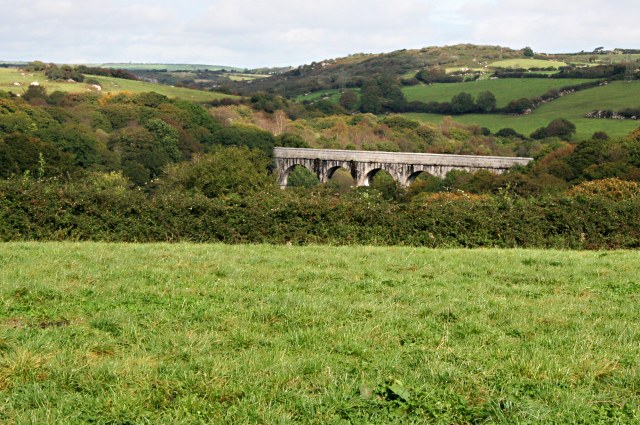
The ten granite arches of the Treffry Viaduct striding across the Luxulyan Valley
© Tony Atkin, geograph.org.uk, CC BY-SA 2.0

Joseph Treffry's horse-drawn tramway reached Bugle in 1842 and made the village. His granite viaduct in the Luxulyan Valley — 670 feet long, 90 feet high — is the only one in Britain that is also an aqueduct.

  • En-suite shower
  • Double + single
  • Armchair by the window
Check availability

Check-in 4–11pm · check-out by 10am · rooms are adults-only and pet-free. We're a living village pub — if you're an early-to-bed sort, tell us when you book and we'll put you in one of the quieter rooms. Book direct below for the best rate.

What's on

Regulars, brass bands & the village calendar

The real fixtures first — more to follow as the new team settles in.

Sunday Roast Food

The week's main event — a full Cornish roast, proper portions, proper gravy. Booking recommended.

Sun · 12–4

West of England Bandsmen's Festival Heritage

The world's oldest open-air brass band contest, held in the village since 1912. When the bands are in town, we keep the bar busy and the welcome warm.

June · annual

Quiz & Games Nights Quiz

Pool, darts and quiz nights are taking shape under the new team — dates to follow.

Dates to follow

Live Music Live music

Live music is part of the furniture here — the programme under the new team is being arranged now, dates to follow.

Dates to follow
Our story · About Bugle

First came the inn. Then came the village.

The Bugle Inn first opened its doors in 1840 as a coaching inn, built to serve the new turnpike road between Bodmin and St Austell. It was the very first building here, and over time a village grew up around it — taking in the older hamlets of Molinnis and Carnsmerry — until the whole place took its name from the inn itself. We've welcomed travellers ever since.

Guests often ask about the stone staircase that appears to lead nowhere — it was once the original entrance to the hayloft above the stables, a small survivor from the inn's coaching days. Even the railway station, opened in 1876, was named after the inn. Not many pubs can claim a village and a station.

  • China-clay heritage. Bugle sits in the middle of Cornwall's Clay Country, ringed by the white peaks of the "Cornish Alps" that shaped this whole district for two centuries.
  • Wheal Martyn. The UK's only china clay museum is 2.5 miles away — 26 acres of working history and woodland walks, linked by the trails.
  • Brass-band country. Every June the village hosts the West of England Bandsmen's Festival — the oldest open-air brass band contest in the world, held here since 1912.
  • On the line. Bugle station — a five-minute walk — sits on the Atlantic Coast Line between Par and Newquay, with mainline connections at Par.
  • Moors & trails. The traffic-free Clay Trails pass through the village — the Eden Project one way, Wheal Martyn and St Austell the other.

Local knowledge shared in good faith — we'll always point you to the best walk, the next band practice or the quietest stretch of coast when you're staying with us.

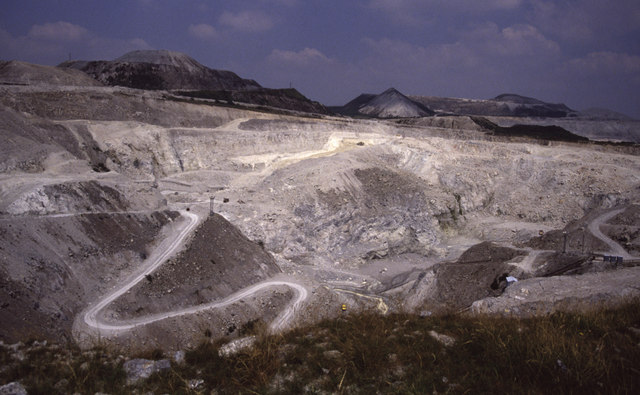
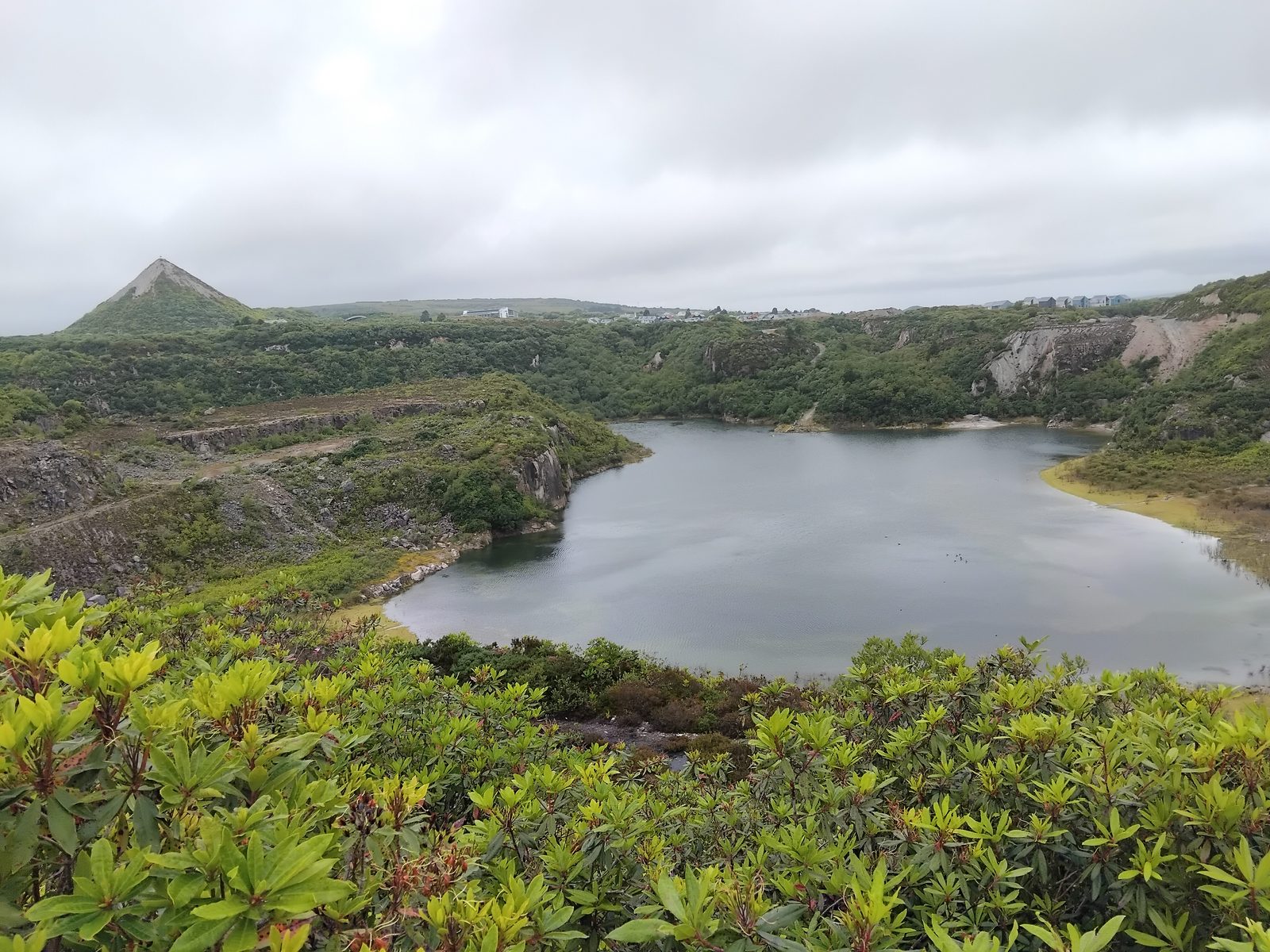
The turquoise pit lake and white sky tip of the Great Carclase china-clay works near Bugle
The clay pits & sky-tips of Clay Country
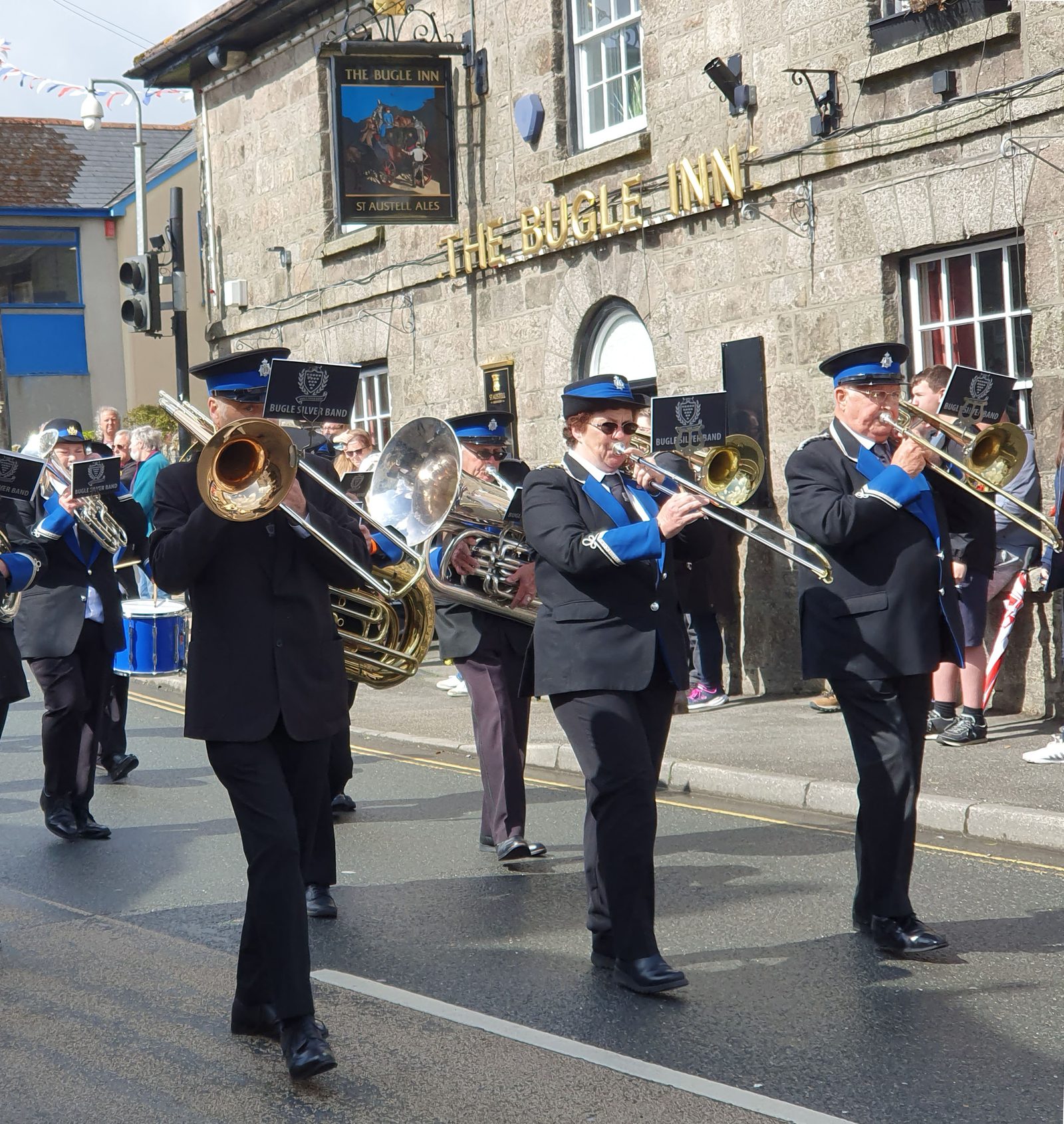
The Bugle Silver Band marching past The Bugle Inn during the band contest parade
The Bugle Silver Band, passing our front door
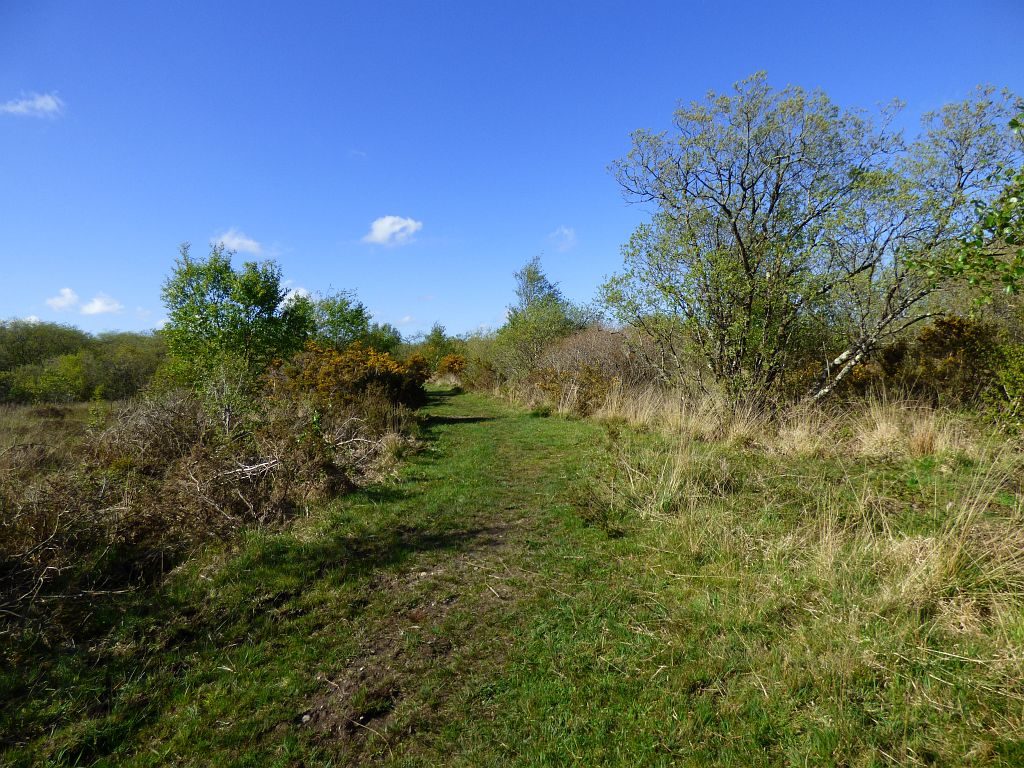
Open heathland on Goss Moor National Nature Reserve near Bugle
Goss Moor & the trails
Explore mid-Cornwall

Stay here, cycle to Eden without touching a road

The traffic-free Clay Trail runs from the village straight to the Eden Project — about three miles of easy riding or walking through clay country. That makes the Bugle a genuinely useful base, not just a pretty one.

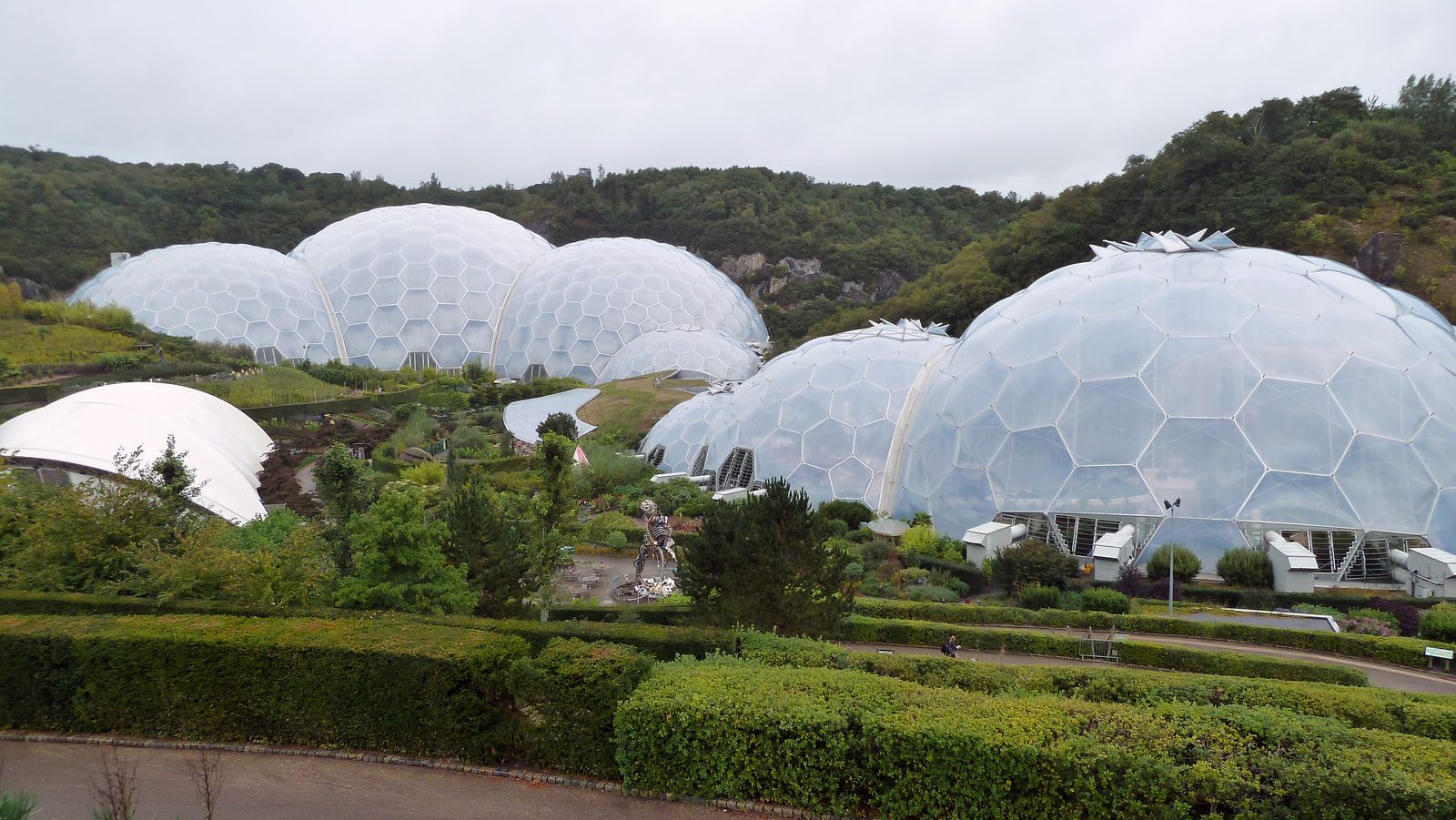
The Eden Project biomes in their green crater
● 3 miles · traffic-free trail

Eden Project

Cornwall's world-famous biomes, on our doorstep. Walk or cycle the Bugle Clay Trail and skip the car park queues.

The preserved Victorian china-clay works at Wheal Martyn
● 2.5 miles

Wheal Martyn Clay Works

The UK's only china clay museum — 26 acres of working history and woodland walks, linked by the trails.

The Treffry Viaduct striding across the wooded Luxulyan Valley
● 2.5 miles

Luxulyan Valley

The Treffry Viaduct and a wooded World Heritage mining landscape, made for a slow afternoon.

Roche Rock — the granite outcrop crowned by its ruined mediaeval hermitage chapel
● 2 miles · 5 minutes

Roche Rock

A dramatic granite outcrop crowned by a ruined mediaeval hermitage chapel — and the namesake of one of our rooms.

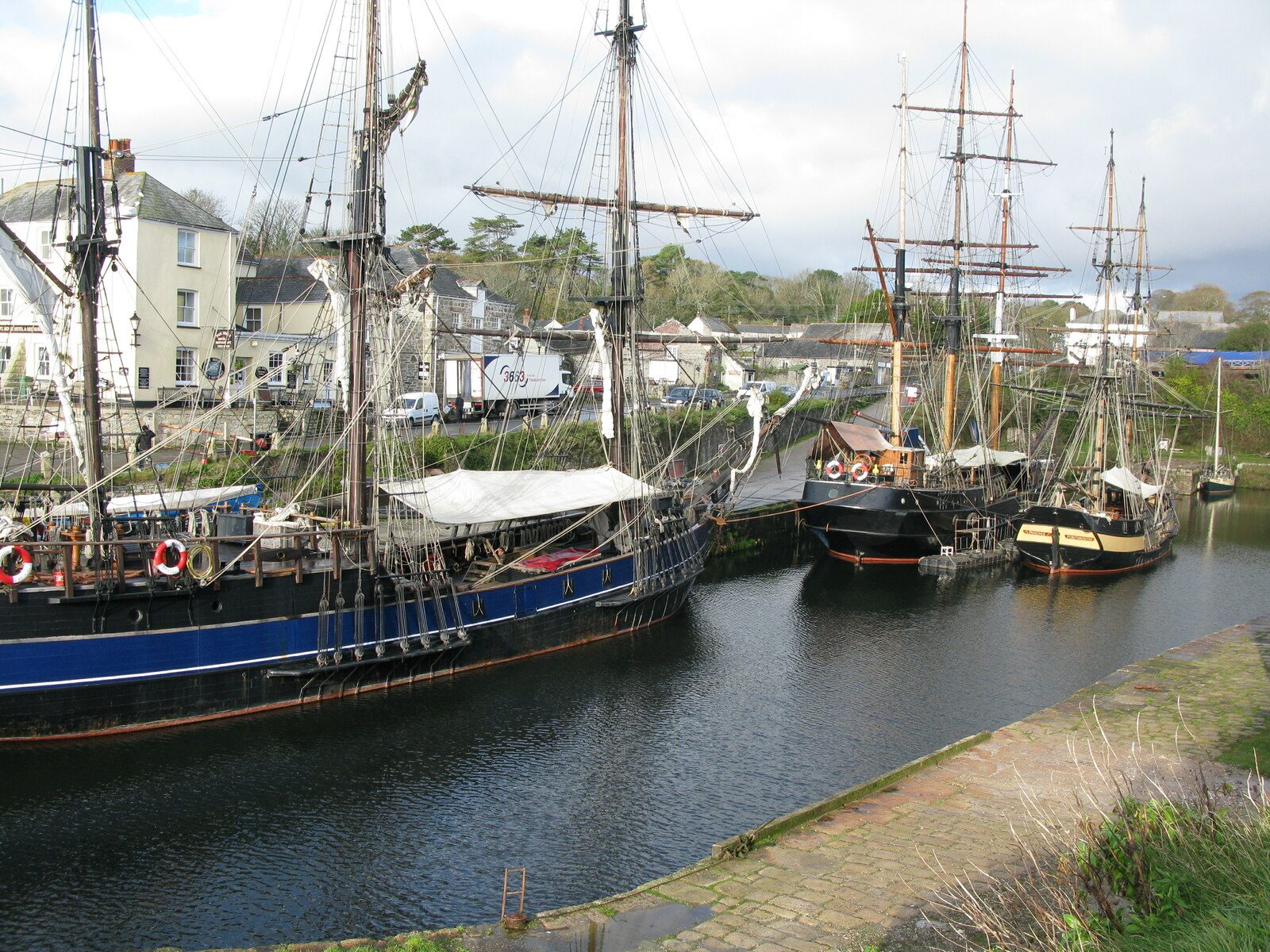
Tall ships moored in Charlestown's Georgian harbour
● 5 miles

Charlestown

The Georgian harbour you'll recognise from Poldark, with the Shipwreck Treasure Museum on the quay.

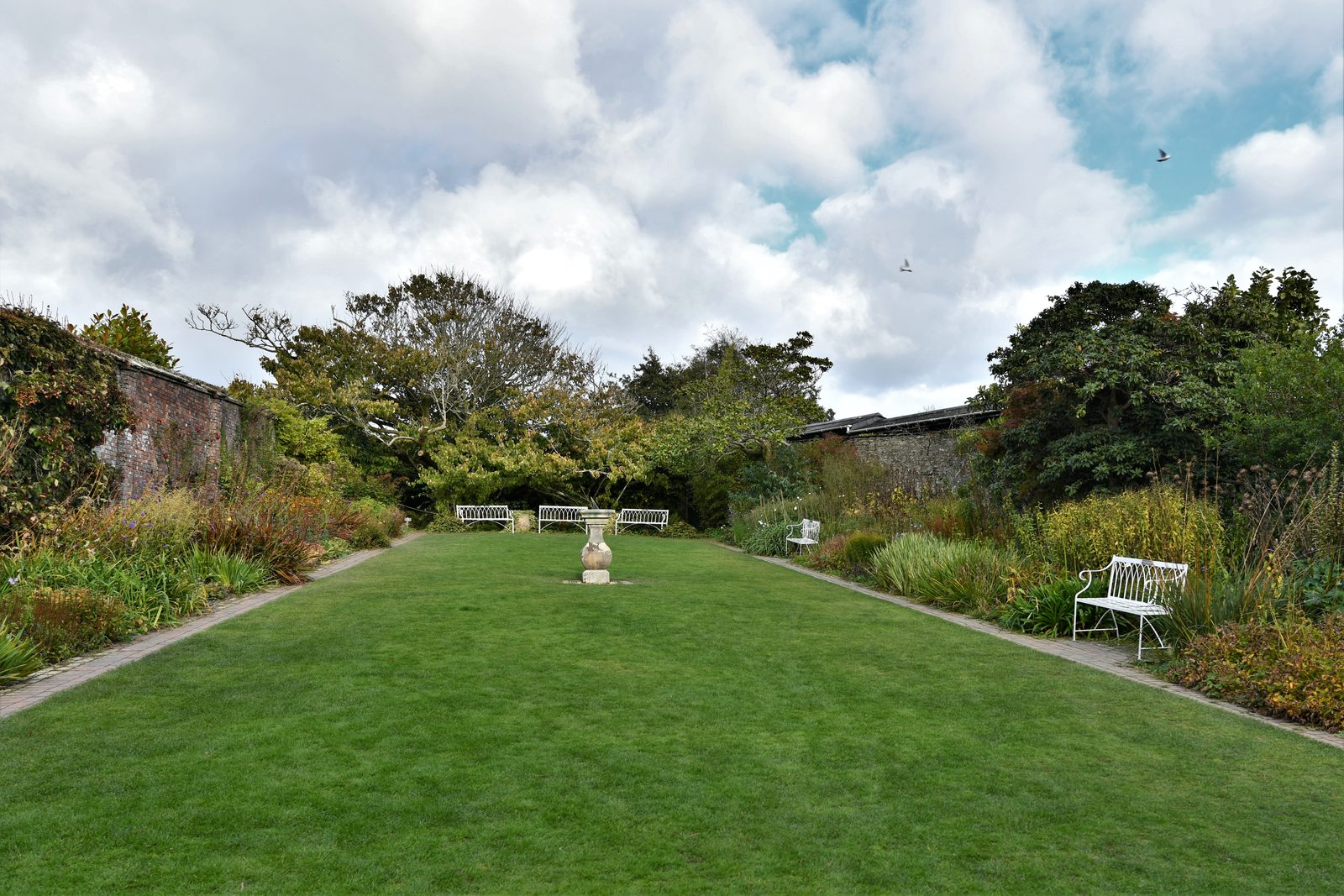
The restored Victorian walled Sundial Garden at the Lost Gardens of Heligan
● 15 minutes by car

Lost Gardens of Heligan

Victorian gardens lost under the brambles for decades and gloriously restored — walled gardens, the Jungle and the famous Mud Maid.

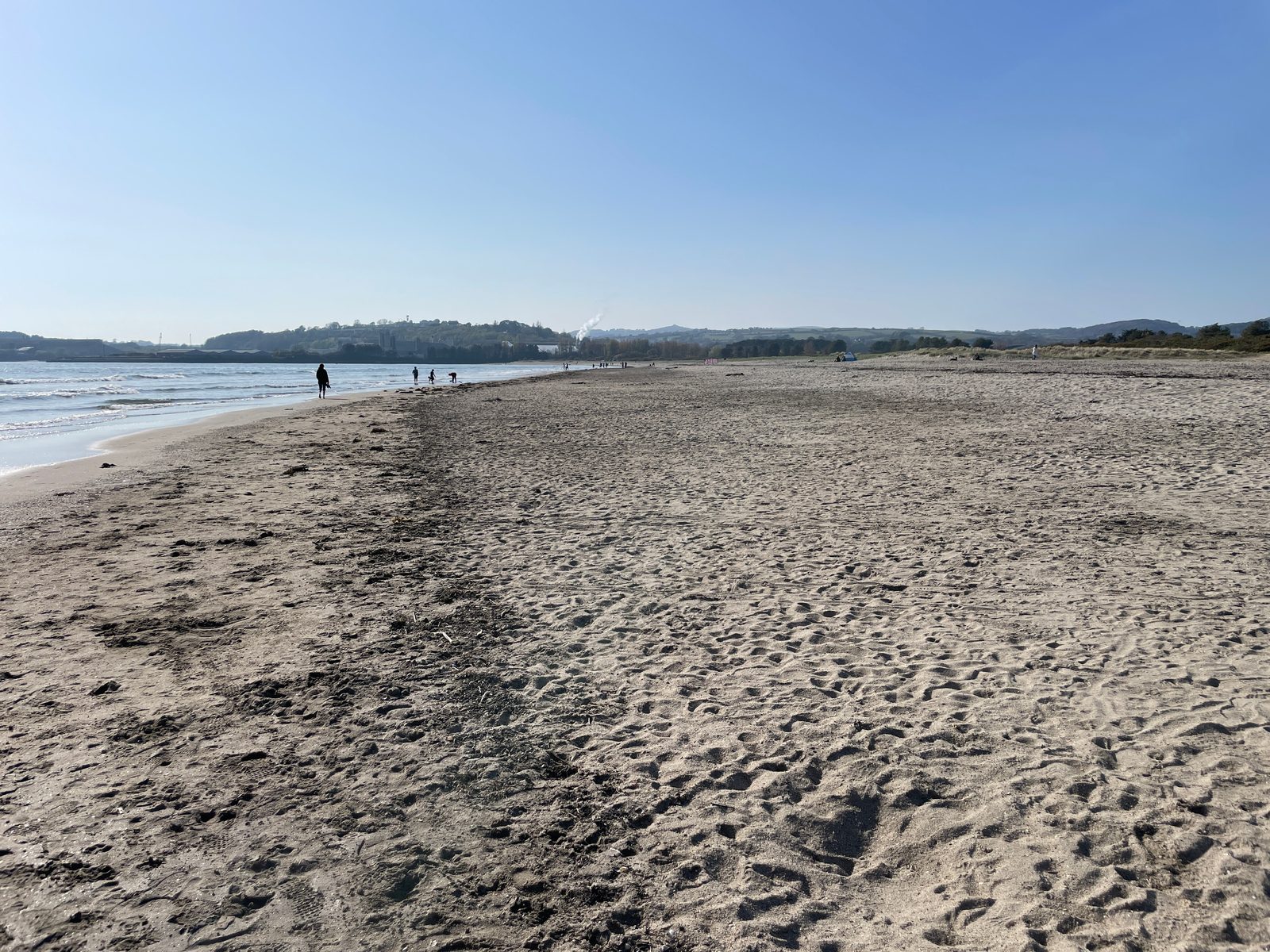
The wide sands of Par beach
● 5 miles

Beaches

Par Sands and Carlyon Bay for sand and swimming; Fowey and Mevagissey a little further on for boats and pasties.

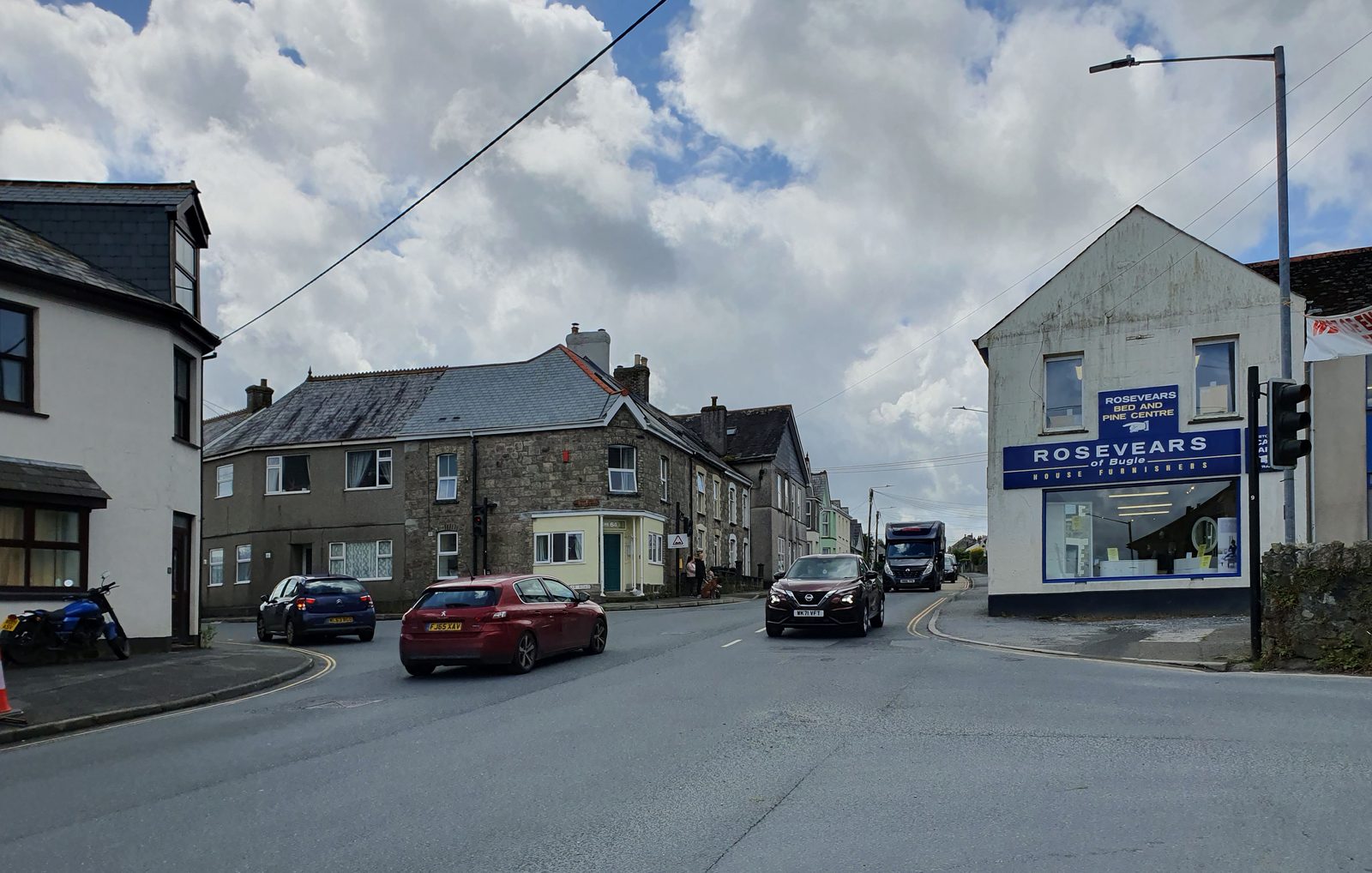
The village crossroads in the centre of Bugle
● In the village

Everyday useful

Co-op a few doors up, Spar & Post Office, The Old Forge fish & chips, and Manfoon House Chinese takeaway.

Book direct

Book a room or a roast table

Booking direct is the best way to stay with us — no middleman, and you can tell us anything we should know (early train? quiet room? celebrating?). Room availability is live; roast tables are confirmed by phone or email.

01726 850307

Prefer to email? Drop us a line at thebugleinn@chubb.me.uk.

Book a room

If the booking panel doesn't load, open it in a new tab or give us a ring on 01726 850307.

Book a Sunday roast table

Quickest: call 01726 850307

Give us your email and we'll reserve the table instantly — one click in your inbox confirms it.

Find us

On Fore Street, in the village of Bugle

On the A391 between Bodmin and St Austell, with Bugle station a five-minute walk away. We're right in the heart of the village.

Get in touch

Opening hours

BarMidday until late, every day
Sunday roastSunday, 12:00 – 16:00
Rooms — check-in16:00 – 23:00
Rooms — check-outBy 10:00

Getting here

By train: Bugle station is a five-minute walk — on the Atlantic Coast Line between Par and Newquay, with mainline connections at Par for London and Penzance.

By road: we're on the A391 between Bodmin and St Austell. Free parking on site (spaces are limited), with the village car park right next door.

By bike or on foot: the Clay Trails pass through the village — Eden Project one way, Wheal Martyn and St Austell the other.